Siding Cleaning in Cumming, GA
Safe soft wash removes mold, mildew, algae, and grime from vinyl, wood, fiber cement, and brick siding without damaging your home.
What Dirty Siding Is Actually Telling You
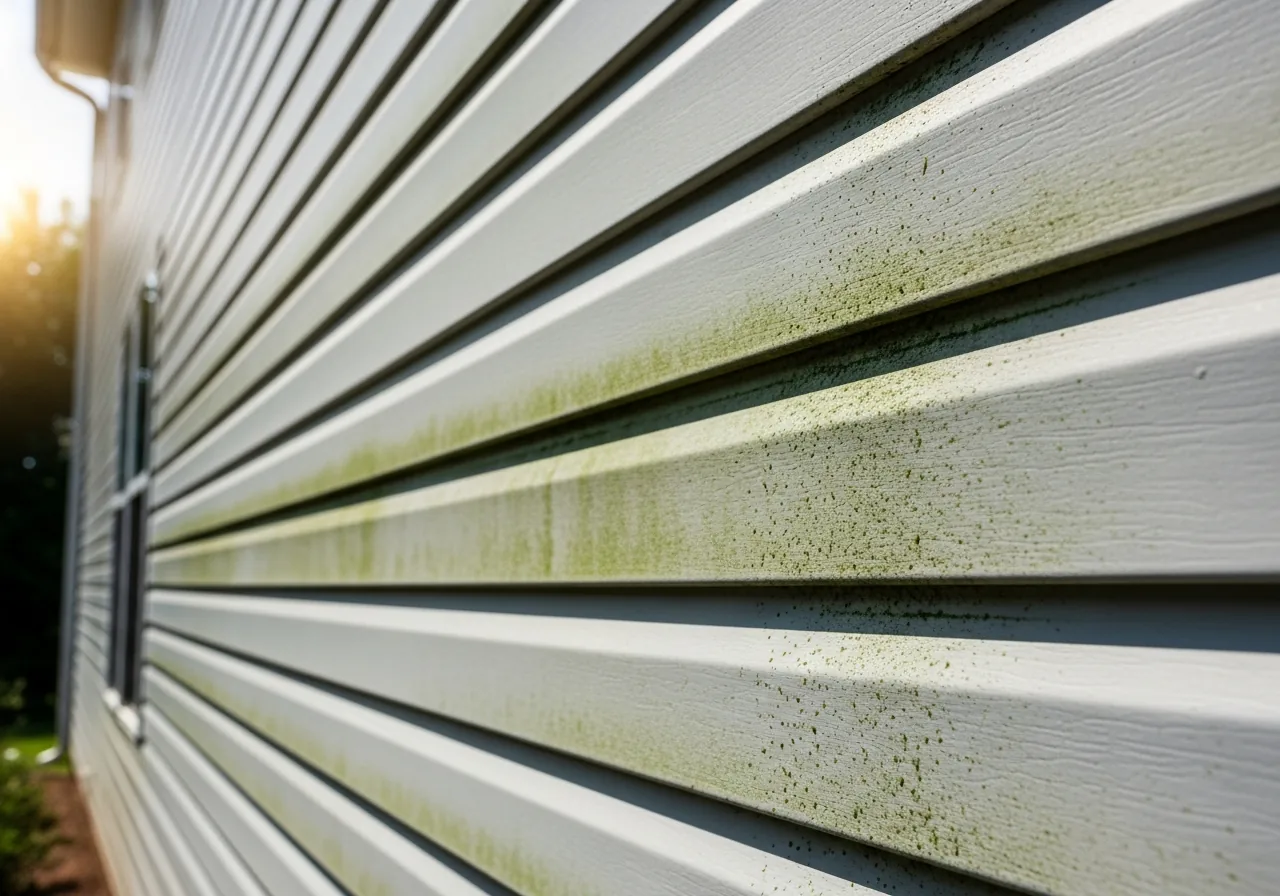
Go outside and take a hard look at your siding. Dark streaks running down the walls. Green patches spreading near the ground. A gray film that wasn't there last year. If that's what your Cumming, GA home looks like right now, it's more than an eyesore. That buildup means moisture, organic growth, and airborne debris have been quietly working against your siding for months. Maybe years.
Homeowners across Forsyth County deal with this all the time. Our climate hands us warm summers, humid springs, and enough shade from mature trees to keep siding damp way too long after a rain. Algae, mold, mildew, lichen? They love those conditions. It's basically a welcome mat for them.
Here's what each type of buildup is actually telling you:
Green or black algae streaks mean your siding stays wet too long after rain — common on north-facing walls and shaded sections near tree lines where algae feeds on moisture trapped in siding texture. A white or gray chalky film is oxidation on older vinyl or painted surfaces, a sign that UV exposure has broken down the outer layer and surface degradation is already accelerating. Dark vertical streaks running from roof edges or window sills are dirt, leaf tannins, or roof runoff washing down the face of your siding every time it rains. Orange or rust-colored staining typically comes from iron-rich well water hitting the siding repeatedly, or from metal fasteners and flashing oxidizing behind the surface. Fuzzy green or gray patches are lichen or moss — organisms that anchor themselves to the surface and slowly etch into the siding material, getting harder to remove the longer they sit.
None of these problems fix themselves. And each one makes the next one worse. Algae holds moisture. Moisture softens siding material. Softened material lets mold dig in deeper. By the time you can spot discoloration from the street, that growth has usually been active for a full season or more.
In neighborhoods like South Forsyth, where homes sit on wooded lots and HOA standards get enforced regularly, dirty siding gets noticed. By neighbors. By inspectors. By potential buyers if you ever decide to sell. But even outside HOA oversight, the damage happening underneath that green film is the real concern. We get calls about HOA notices all the time, and it's almost always something that could've been caught way earlier.
Different siding materials react to organic growth in different ways. Vinyl can warp and permanently discolor if mold works into the seams and sits through a Georgia summer. Fiber cement holds up well, but its painted surface becomes vulnerable to moisture intrusion once algae compromises the outer coating. Wood siding is the most sensitive of all. Prolonged organic growth on wood can lead to rot that means replacing boards, not just cleaning them.
The good news? Most of what you're seeing on your siding right now is still at a treatable stage. A professional siding cleaning removes the organic growth, neutralizes the spores left behind, and restores the surface before deeper damage kicks in. Wait another season and that's when surface-level problems turn structural.
Trust what your eyes are telling you. That buildup isn't going away on its own. And pressure washing it yourself without the right approach can drive water behind panels or damage the surface even more. The right cleaning method depends on your siding material, the type of growth that's present, and how long it's been building up. Those are all things we look at before we start any work.
How OCB Pressure Washing Cleans Siding in Cumming, GA Homes
Your siding carries the evidence of every season it's been through. In Cumming, GA, that means humidity, pollen, red clay dust, and the kind of green algae that grabs hold fast and spreads even faster. By the time most homeowners notice the buildup, it's already worked its way into the texture of the siding itself. We see this constantly across Forsyth County. Vinyl, fiber cement, wood, engineered wood. Sound familiar?
Before we ever turn on a pump, we walk the full exterior of your home. Slowly. We're checking for soft spots, gaps in caulking, loose panels, and areas where water already wants to travel the wrong direction. This step protects you. Pushing high-pressure water into a compromised panel or cracked seam causes damage, and that's a problem we prevent, not create. We note the siding material, how old the surface is, and any spots that need a gentler touch. Simple step. Changes the entire outcome of the job.
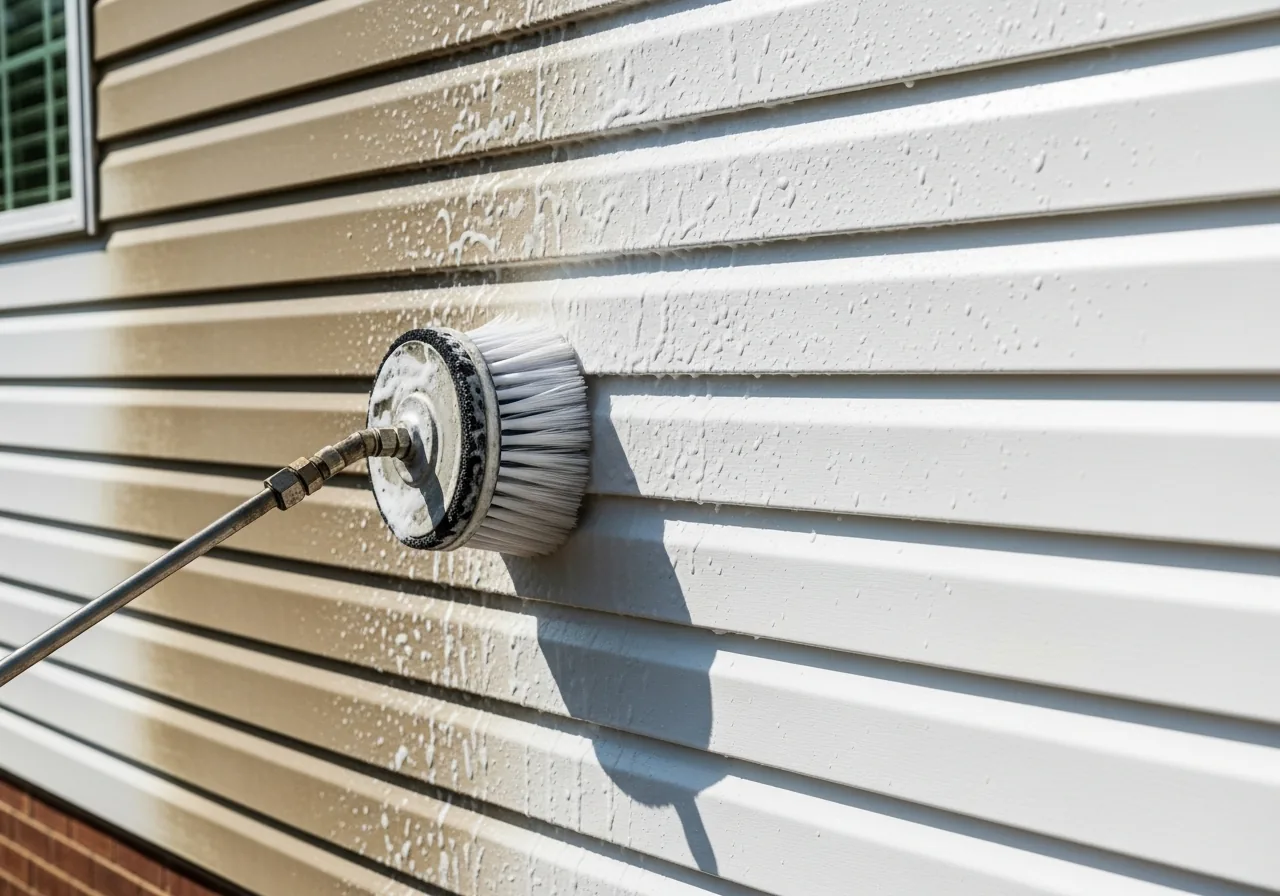
Most residential siding in Cumming responds best to soft washing. Not high-pressure blasting. Soft washing uses a low-pressure application of a cleaning solution that kills algae, mold, mildew, and bacteria at the root. The solution does the heavy lifting. The rinse takes it all away. This method protects your siding's integrity while delivering a thorough, lasting clean that pressure alone just can't match.
Why does this matter so much? Vinyl siding can warp or crack under too much pressure. Fiber cement can absorb water if the surface coating is compromised. We adjust our technique to match what your home actually needs, not what's fastest for us. We're fully licensed and insured, which matters when someone's working around your siding, windows, and landscaping.
We handle these jobs every week. The pattern is almost always the same: the north-facing wall looks the worst, the shaded section near the back fence is close behind, and the front elevation — the one you see every day — actually looks better than the rest. Don't let the front fool you.
In neighborhoods like Windermere and South Forsyth, we work on homes with multi-story elevations, deep eaves, and detailed trim work. Careful equipment positioning matters on those jobs. So does consistent solution coverage if you want to avoid streaking or missed patches. We work in sections, moving methodically around the structure so no area dries before it's rinsed. That's the difference between a clean result and a streaky one.
The rinse phase matters just as much as the wash itself. Controlled water flow removes solution residue completely, working top to bottom so dirty runoff never crosses a clean surface. We protect landscaping, outdoor furniture, and entry points before anything starts. Windows and doors get covered or carefully avoided depending on the situation. When we're done, the water running off your home is clear.
After the wash, we do a final walk of the entire exterior. We're looking for any areas that need a second pass, checking that gutters and downspouts are clear of runoff debris, and confirming the siding looks consistent across every elevation. If we spot something during the process — a loose panel, a gap that needs attention, a section of trim pulling away — we tell you directly. We're not contractors, but we know what healthy siding looks like and we'll flag anything that warrants a closer look before it becomes a bigger repair.
Siding cleaning done right in Cumming, GA isn't a one-size-fits-all job. The red clay coating a home on a gravel driveway in a rural part of Forsyth County is a completely different challenge than the black streaking on a shaded north-facing wall in a newer subdivision. We've worked on both. We know how each type of staining responds to treatment, how long solutions need to dwell, and when a second application is worth the extra time. That field experience is what you're getting when you call us. Not a crew running through a checklist. If you're not sure what you're looking at on your siding, give us a call and we'll help you figure it out.
Signs Your Cumming Home Is Ready for a Siding Cleaning
Your siding is talking to you. Most homeowners in Cumming don't catch the early warning signs until the buildup is obvious from the street. By then, the dirt, mold, and algae have already been working against your home for months. Sometimes longer. Here's what to look for when you walk around the outside of your house.
The most common sign is a green or black film creeping up from the foundation or spreading down from the roofline. That's algae and mold growth. It thrives in Forsyth County because of our humid summers and shaded lots. If you see streaks of dark gray or patches of green on your vinyl, fiber cement, or wood siding, that film isn't just cosmetic. It holds moisture against the surface and speeds up wear over time. Not sure if this is what you're dealing with? That's actually pretty common. A lot of homeowners aren't sure whether what they're seeing is serious until someone who works with it daily takes a look.
Check the north-facing and shaded sides of your home first. In neighborhoods like Windermere and South Forsyth, tree canopy is dense. Less sun means slower drying after rain. That moisture sits on your siding longer, giving organic growth exactly the conditions it needs. If one side of your house looks noticeably darker than the others? Clear signal.
Here's a scenario we hear all the time: you're walking your dog past your neighbor's house, you glance back at your own place, and for the first time you notice the entire left side looks almost gray-green compared to the front. That's the call we get. That's usually the moment it clicks for people.
Chalky white residue is another sign many homeowners miss. This powdery coating shows up on older painted wood or fiber cement siding. On painted surfaces it means the finish is breaking down. A thorough cleaning removes the residue and gives you a clear picture of what the surface underneath actually looks like. Simpler fix than most people expect.
Try this after a heavy rain. If water beads and rolls off cleanly, the surface is in decent shape. But if water seems to sheet flat or soak in rather than run off, the surface has probably accumulated a layer of grime and biological material. Clean siding sheds water the way it's supposed to. Dirty siding doesn't.
Spider webs, wasp nests, and insect debris packed into corners and around trim boards? Also signs that the exterior has gone too long between cleanings. These aren't just nuisances. Nesting insects can force their way into gaps around windows and soffits, and regular cleaning removes the debris that attracts them in the first place.
Take a close look at the areas around downspout outlets and window sills too. Rust-colored streaks from metal hardware. Brown tannin stains from oak or pine trees. Dark splash marks at the base of the wall. All of it is surface contamination that's built up over time. Rain won't wash these stains away. They need the right cleaning process applied directly to the surface. And once you notice them, you can't unsee them.
If it's been more than two years since your siding was cleaned, there's a strong chance buildup is present even if it's not obvious yet. In Cumming, our combination of red Georgia clay dust, tree pollen, and summer humidity creates conditions where exterior surfaces accumulate grime faster than in drier climates. Pollen season alone deposits a thick yellow coat across every exposed surface from February through April.
Step back and look at your home from the street. Does the color look dull, uneven, or faded in patches — but you know the siding itself isn't that old? Cleaning is almost certainly the answer. Dirt and biological growth mute the original color. A proper cleaning often reveals a surface that looks dramatically better without any other work done to it. We see it every single time.
If you're spotting any of these signs on your Cumming home, we can assess the surface and get it back to the condition it should be in. The sooner you address the buildup, the less work it takes to remove it.
Frequently Asked Questions
Everything you need to know about our siding cleaning service.
Yes, soft washing is safe for vinyl, fiber cement, wood, and engineered wood siding. We adjust the pressure and cleaning solution to match your specific siding material. High-pressure washing can crack vinyl or push water behind panels. Soft washing lets the cleaning solution do the work instead. For Cumming homes with older siding or detailed trim, this method protects your surface while still removing algae, mold, and mildew completely.
Most homes in Forsyth County benefit from siding cleaning every one to two years. Our climate brings warm, humid summers and heavy tree cover that keeps siding damp long after rain. Those conditions feed algae and mildew growth fast. North-facing walls and shaded sections near tree lines usually need attention sooner. If you start seeing green patches or dark streaks, that growth has likely been active for a full season already.
Yes, rust and iron staining can be treated during a professional siding cleaning. Those stains usually come from iron-rich well water or oxidizing metal fasteners and flashing. Standard soft washing alone may not fully lift heavy rust staining. We identify the stain type during our pre-job walkthrough and apply the right treatment for your surface. Catching it early makes removal much easier before the staining etches deeper into the siding material.
Close all windows and doors before we start, and move any patio furniture or potted plants away from the home's exterior. If you have outdoor pets, keep them inside during the cleaning. We handle everything else, including protecting your landscaping and checking for any loose panels or caulking gaps before we apply any solution. You do not need to be home the entire time, but we do a walkthrough with you before we begin.
Dirty siding causes real damage, not just a cosmetic problem. Algae holds moisture against your siding surface. That moisture softens the material over time and lets mold dig in deeper. On wood siding, prolonged organic growth can lead to rot that means replacing boards entirely. Vinyl can warp and discolor when mold works into the seams through a Georgia summer. What looks like surface buildup is usually a sign that damage has already been building for months.
Many HOAs in South Forsyth and communities like Windermere do enforce exterior maintenance standards, and dirty siding is one of the most common violations we hear about. HOA rules vary by community, so check your specific guidelines. What we can tell you is that by the time an inspector or neighbor notices the buildup from the street, the growth has usually been active for at least a full season. Staying ahead of it keeps you off the notice list.
Related Services
Get Started
Get Your Free Siding Cleaning Estimate
No obligation. No pressure. Just a fast, honest quote for your property.
(404) 632-8810