Concrete Cleaning in Cumming, GA
Remove oil stains, mold, mildew, rust, and Georgia red clay from your driveways, walkways, patios, and pool decks with professional concrete cleaning.
Why Concrete in Cumming Gets Dirty Faster Than You Think
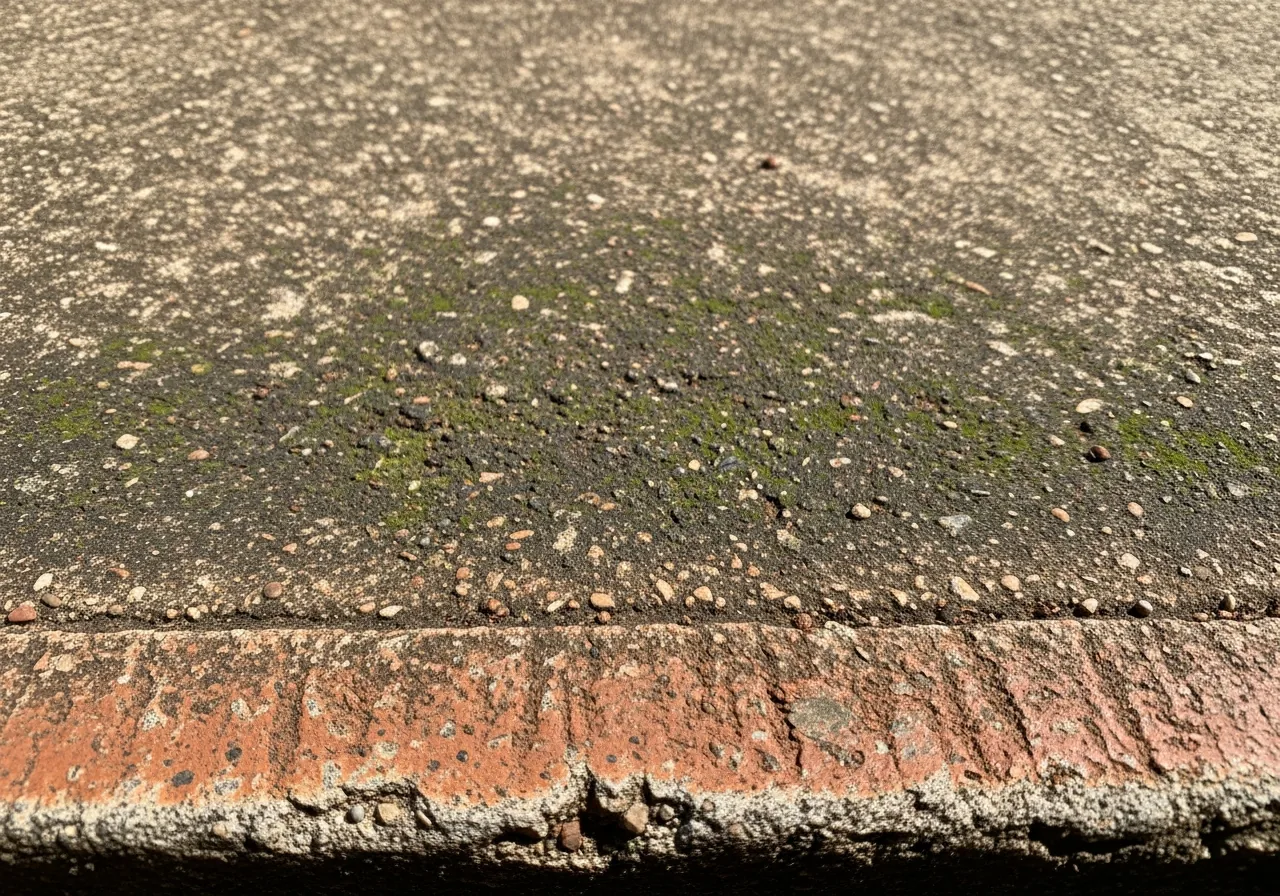
Your driveway looked great when it was poured. Now? Black streaks, green patches, and rust-colored stains that won't budge no matter how hard you scrub. That's not just normal aging. Cumming, GA sits in a climate that attacks concrete surfaces every single day, and most homeowners don't catch it until the damage runs deep. We see it constantly across Forsyth County, and the fix isn't a garden hose.
Forsyth County gets over 55 inches of rain per year. All that moisture doesn't rinse anything clean. It feeds algae, mold, and mildew that dig right into the surface. A faint green tint in spring? By fall, it's a thick black crust if nobody treats it.
The tree canopy around here makes everything worse. Polo Golf and Country Club, South Forsyth, and dozens of other neighborhoods are packed with mature oaks, pines, and sweetgums. Those trees dump pollen, sap, tannins, and rotting leaves straight onto your concrete. Wet leaves are the sneaky ones. Tannins soak into porous concrete and leave brown marks that look exactly like rust. Pollen collects in textured surfaces and becomes a buffet for mold spores. More shade on your driveway means slower drying. Slower drying means more time for organisms to take root and spread.
Then there's the heat. Summer temps in Cumming push well into the 90s regularly. That kind of heat bakes organic matter, pollen, sap, and grease right into the slab. A small drip from a parked car that you could wipe off in cool weather? It's a permanent mark by August. Pool decks and patios get hit hardest because they cycle between soaking wet and scorching hot all season long. That back-and-forth ages concrete fast.
Red Georgia clay catches people off guard. It tracks in from landscaping beds. It washes off slopes during heavy rain. It settles into every rough spot on your concrete. Clay particles are so fine they work their way below the surface, and once they dry, sweeping does nothing. They bond to the slab. We run into this all the time with homeowners in newer subdivisions where the grading and landscaping are still settling around the property.
Here's the thing about concrete itself. It's porous. Unlike sealed asphalt or a painted surface, bare concrete absorbs whatever lands on it. Oil from vehicles. Fertilizer runoff from your lawn. Rust from metal furniture or irrigation heads. All of it works its way below the top layer. Pressure washing alone can't always reach what's already bonded inside those pores. That's why concrete cleaning in Cumming takes the right mix of surface treatment, proper dwell time, and controlled water pressure. Not just cranking up a garden hose.
Driveways and walkways facing north or sitting in shade most of the day show biological growth first. If your front walk doesn't catch direct afternoon sun, it's probably growing algae right now even if the surface looks dry. That growth makes things slippery. Real slippery. On steps and pool surrounds, that's a fall waiting to happen.
Cumming's mix of heavy rainfall, thick tree cover, red clay soil, and brutal summer heat breaks down concrete appearance faster than you'd see in drier parts of the country. Waiting until stains are obvious means the cleaning takes longer and the results are harder to get right. Staying ahead of it keeps your concrete looking the way it did when it was new.
How to Know When Your Concrete Needs Professional Cleaning
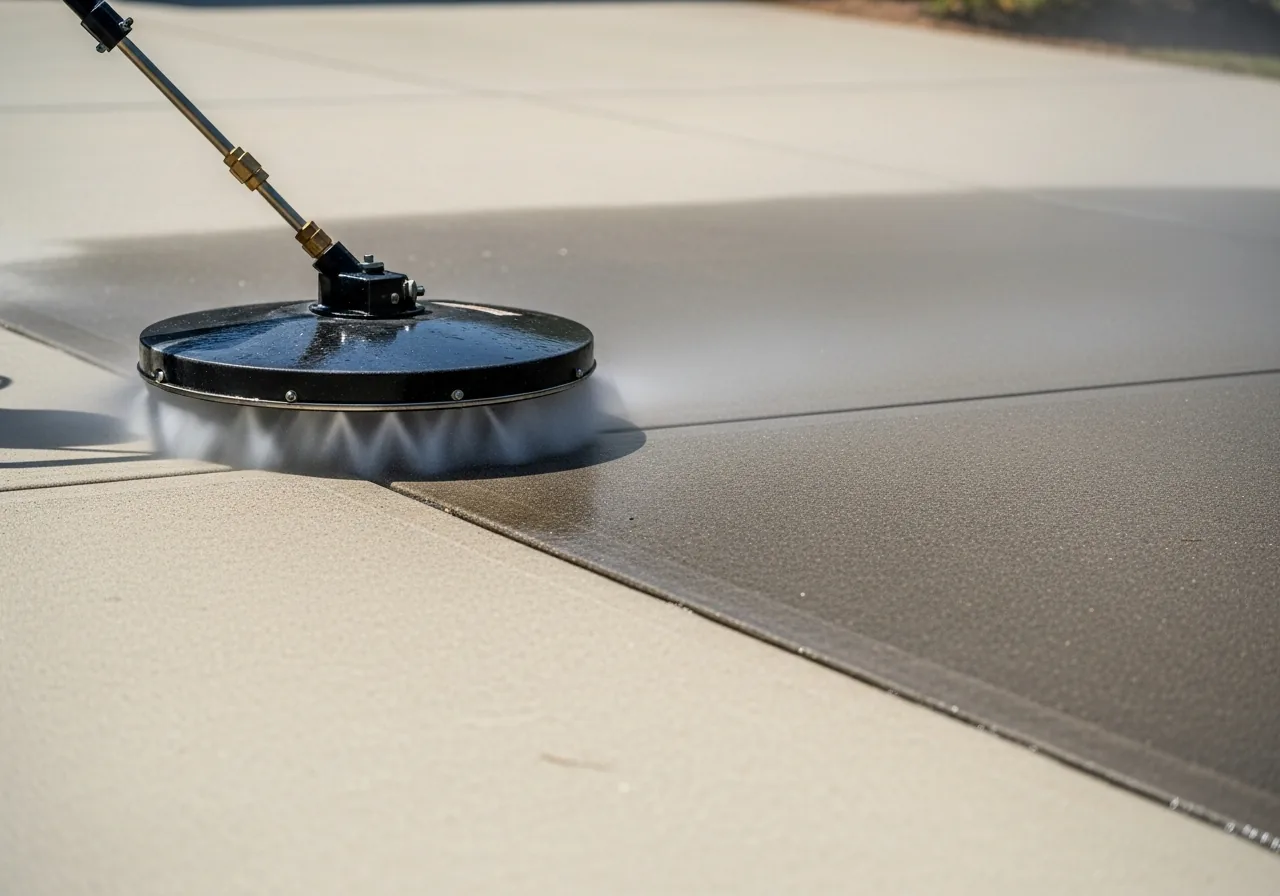
Dark streaks running down the surface. Green patches creeping in from the edges. A gray slab that looks almost black. If your driveway, patio, or walkway in Cumming, GA looks like this right now, hosing it off every weekend isn't going to fix it.
Color change is the biggest giveaway. Concrete should look light gray or close to whatever shade it was when it went in. When patches start turning green, black, or brown, that's biological growth. Algae, mold, and mildew grab hold fast in Forsyth County's humid summers. Once they root into the pores, a garden hose won't do a thing.
Oil and grease stains tell their own story. Park in your driveway every day and those little drips from engines and brake fluid add up. Soap and water won't cut it. Those stains soak in and bond with the surface. We use the right detergents and pressure levels to pull them out without tearing up the slab.
Try this after the next rain. Watch your concrete. If water isn't beading up and instead just soaks straight in, your surface has lost its protective layer. Dirty, porous concrete absorbs water, which speeds up cracking and surface erosion. Georgia's winter freeze-thaw cycles make that even worse. Cleaning and resealing stops the cycle before you're looking at a full replacement.
Rust stains are hard to miss. Orange or reddish-brown streaks usually come from metal furniture, irrigation systems, or fertilizer runoff. Around Lake Lanier, where lawn care and irrigation are everywhere, rust staining on concrete shows up all the time. These stains need specific chemical treatments to remove properly. Just blasting them with high pressure can etch the surface and make things worse.
Efflorescence is one most homeowners walk right past. It's that white, chalky powder or crust that forms on the concrete surface. Happens when water moves through the slab and pulls mineral salts to the top. Looks minor at first. But it means moisture is traveling through your concrete in ways it shouldn't be, and it only gets worse. Sometimes it points to drainage problems underneath the slab too.
Slippery surfaces? That's a safety problem. Algae and biofilm turn concrete dangerously slick, especially on pool decks, steps, and shaded walkways. If someone in your house has already slipped on a wet patio or driveway, that surface needed attention before it happened. North-facing areas in Cumming that stay shaded and damp for long stretches are the worst offenders.
Think about how long it's been since your concrete got a professional cleaning. Most residential concrete surfaces benefit from cleaning every one to two years depending on exposure, tree cover, and foot traffic. Can't remember the last time yours was done? That's your answer right there. The longer biological growth and staining sit, the deeper they go, and the harder they are to fully remove.
If any of this sounds like your property, don't wait for it to get worse. We work throughout Forsyth County and can check your concrete's condition quickly. Give us a call and we'll take a look. A professional cleaning now protects the investment you've already made in your home.
What OCB Pressure Washing Does Before Starting Your Concrete Cleaning Job
Before any water touches your driveway or walkway, we walk your entire property first. Skipping this step is how concrete gets damaged and how cleaning jobs fall short. Every concrete surface in Cumming, GA has its own set of problems. We read it carefully before we do anything.
Here's what that actually looks like. A homeowner calls about a driveway that seems like it just needs a quick rinse. We show up and find oil staining hiding underneath green algae, plus a section near the garage that was previously sealed and is starting to peel. Two separate problems. Two different solutions. We wouldn't have caught that without looking first.
We start by figuring out what kind of staining or buildup we're really dealing with. Oil from a car leak behaves nothing like mold and mildew growth from shade and moisture. Rust stains from fertilizer or well water need a completely different approach than tire marks or algae. Getting this right upfront means we apply the correct treatment the first time. Not the second. Not the third.
We check the concrete itself too. Older slabs in neighborhoods like Sharon Springs or near downtown Cumming can have surface cracks, spalling, or old sealant that's flaking off. Hit compromised concrete with high-pressure water and you can widen cracks or lift weak sections. We flag these areas before starting so we can adjust our pressure settings and technique to protect your surface. Systematic surface assessment before any treatment begins is standard practice for us on every job across Forsyth County. As a licensed and insured contractor, we don't skip it.
Not sure if your concrete is in good enough shape to handle cleaning? Fair question. We can answer it on-site before anything starts.
Drainage comes next. We look at where water will flow during the cleaning process. A lot of Forsyth County properties have landscaping beds, garden borders, or grass edges sitting right next to concrete driveways and pool decks. We position our equipment and direct runoff away from plants and lawn areas that could take a hit from cleaning solutions or heavy water flow.
Downspouts, outdoor drains, low spots in the yard. We check all of it. Debris and cleaning solution can clog a drain or back up into a low-lying area if nobody's paying attention. A quick look at your property layout prevents a simple cleaning job from creating a bigger mess somewhere else. Takes five minutes. Saves a real headache.
Before we touch the surface, heavy stains get a pre-treatment. Oil, grease, and organic growth don't respond well to pressure alone. We apply a targeted solution and let it sit on the surface for the right amount of time. That breaks the stain down at its source. So when we follow up with pressure washing, the result goes much deeper than if we'd just skipped straight to spraying water.
We also clear the work area. Potted plants, outdoor furniture, doormats, anything sitting on or near the concrete gets moved. This protects your stuff and gives us full access to every inch of the surface. Missed edges and corners are exactly where mold and grime come back fastest, so full access matters every single time.
Before the first pass of water, we have a quick conversation with you. We want to know about specific spots that bother you, areas that have been treated before, or any surface features we should be aware of. A recently sealed section. A decorative border. Anything like that. You know your property better than anyone. We combine what you tell us with what we see on-site to build a clear plan.
This pre-job process isn't wasted time. It's what separates a clean that lasts from one that fades in a few weeks. Concrete cleaning done right in Cumming, GA starts well before the pressure washer turns on. That preparation is what makes the finished result worth your time and ours.
Frequently Asked Questions
Everything you need to know about our concrete cleaning service.
Cumming gets over 55 inches of rain per year, and that moisture feeds algae, mold, and mildew that dig right into your concrete. Add in the thick tree canopy dropping pollen, sap, and tannins, plus red Georgia clay washing off slopes during heavy rain, and your concrete takes a beating year-round. Forsyth County's humid summers and shaded driveways mean surfaces stay damp longer. That's exactly the environment biological growth needs to take hold fast.
You can rent a pressure washer, but it won't fix everything. Stains that have already soaked into the pores — oil, rust, clay, tannins — need the right detergents and dwell time to actually lift out. Blasting with high pressure alone can etch the surface or push grime deeper. We use controlled pressure levels and surface-specific treatments so your concrete gets clean without damage. DIY rinsing is fine for light dust. Bonded stains need a different approach.
Watch your concrete after the next rain. If water soaks straight in instead of beading up, your surface is unprotected and absorbing everything. Green or black patches, brown tannin stains, orange rust streaks, or that white chalky powder called efflorescence are all signs the surface needs real attention. In Cumming, shaded driveways and north-facing walkways are usually the first to show biological growth — sometimes even when the surface looks dry to you.
Yes, and it's one of the most common hazards we see around Forsyth County homes. Algae and biofilm make concrete dangerously slick when wet — especially on pool surrounds, steps, and shaded patios. Pool decks cycle between soaking wet and scorching hot all summer, which speeds up biological growth. If someone in your house has already slipped on a wet surface, that concrete needed cleaning before it happened. Removing the growth brings the slip resistance back.
For most homes in Cumming, once a year is a solid baseline — ideally in spring after pollen season or in early fall before leaves come down. Homes near heavy tree cover, like those in South Forsyth or around Polo Golf and Country Club, may need attention twice a year because of the constant organic debris. Pool decks and high-traffic walkways also tend to need more frequent cleaning. Staying ahead of buildup means the job is faster and the results are better every time.
Move vehicles out of the driveway and clear any furniture, planters, or decor off the patio or pool deck. If you have potted plants right along the edges, move them back a few feet. We handle the rest — equipment, detergents, water supply. Let us know ahead of time if there are specific stains you want us to focus on, like rust near an irrigation head or oil spots from a parked car. The more we know going in, the better the outcome for your Cumming home.
Related Services
What's Covered on This Page
Get Started
Get Your Free Concrete Cleaning Estimate
No obligation. No pressure. Just a fast, honest quote for your property.
(404) 632-8810