
Driveway Staining in Cumming, GA
We clean, prep, and stain concrete and paver driveways with premium penetrating stains that protect against UV, red clay, and Georgia's climate.
What Driveway Staining Does for Cumming, GA Homes
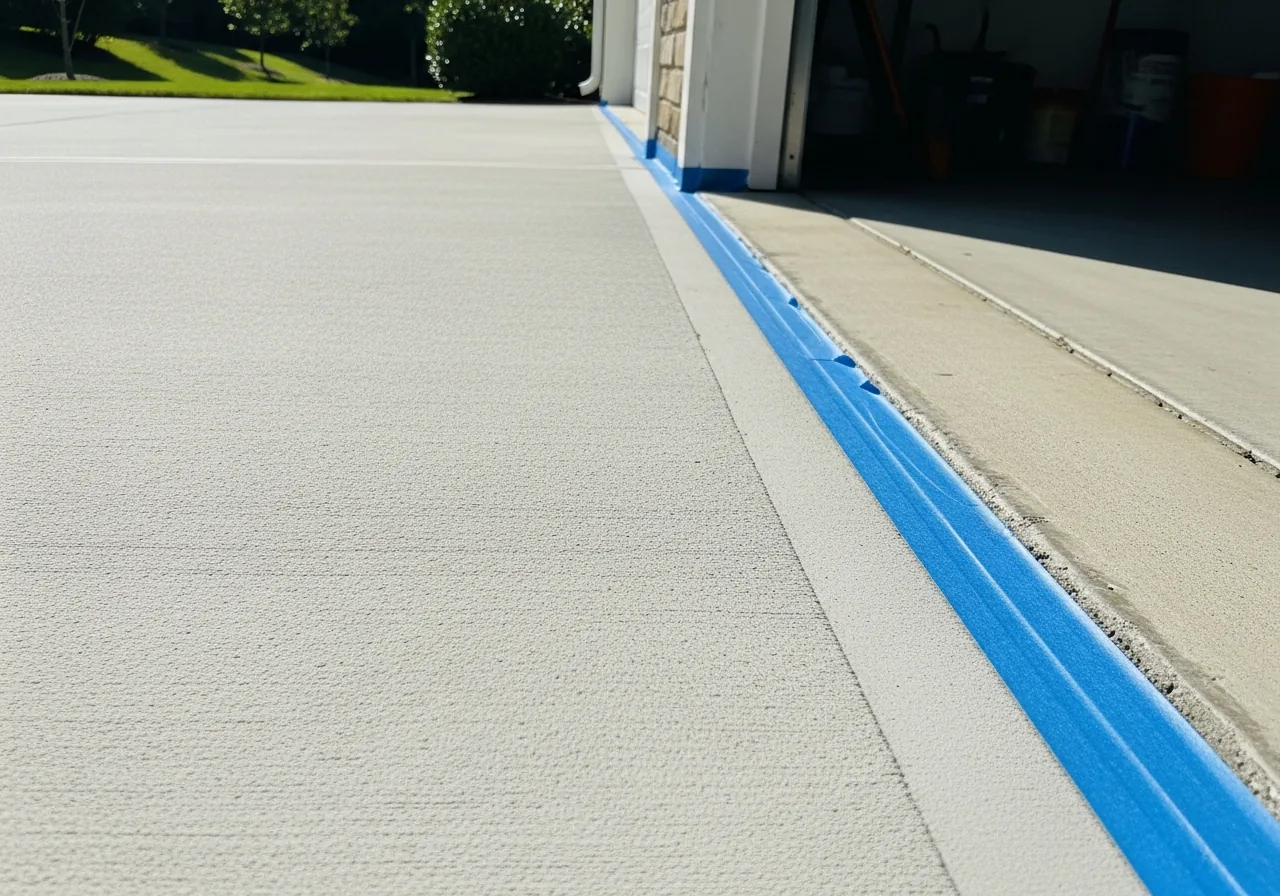
That driveway of yours? It's taking a beating. Oil drips, tire marks, Georgia red clay tracked in from the yard, and roughly 56 inches of rain every year, well above the national average, leaving the concrete dull and tired. Before you know it, the first thing guests notice when they pull up is a surface that looks neglected. Even if the rest of your home is spotless.
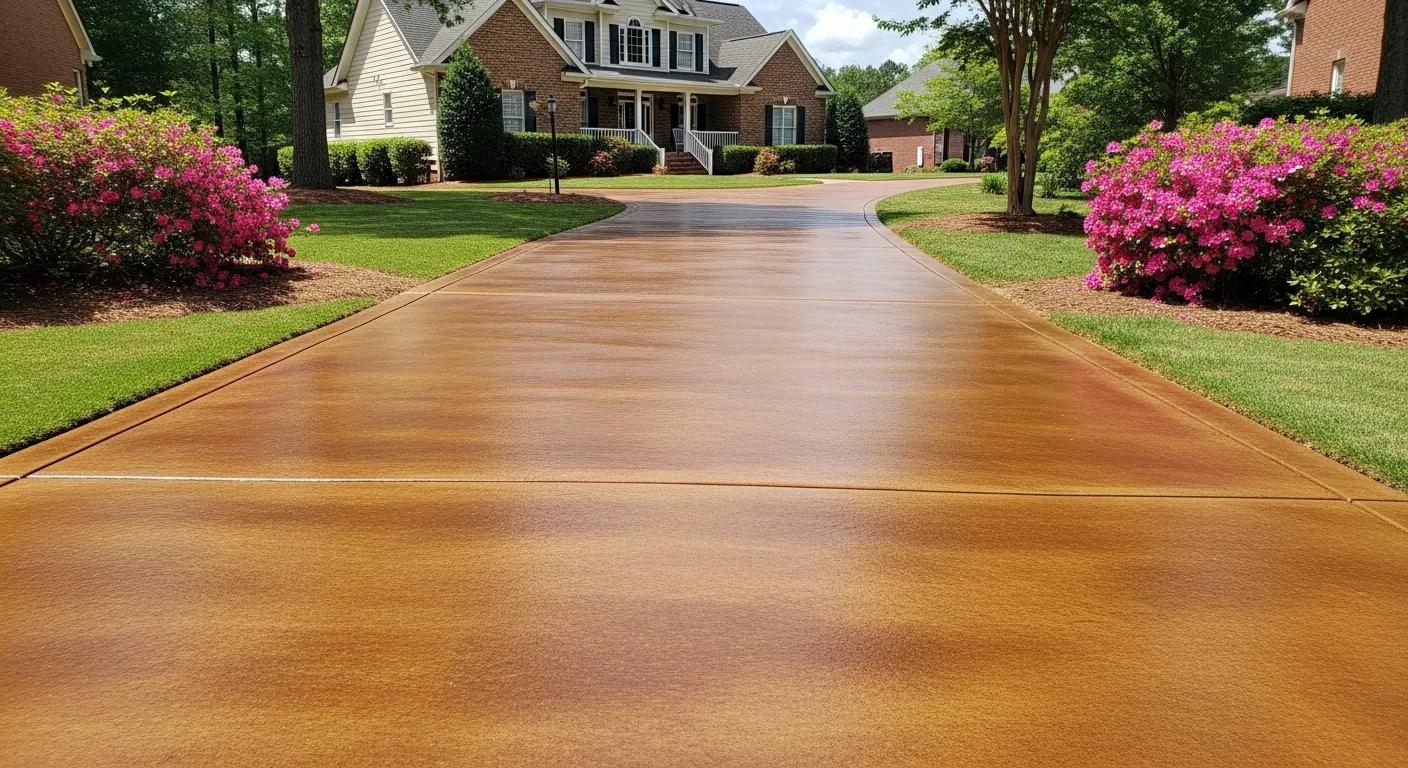
Driveway staining fixes that. It penetrates your concrete or pavers and deposits color directly into the material. This isn't some coating that sits on top and peels off six months later. The color bonds with the slab itself. So it actually holds up to the traffic, heat, and humidity that driveways in Cumming, GA deal with every single season.
Here's what staining actually does for your property:
Staining covers existing discoloration from oil, rust, and weathering while adding consistent, rich color that looks intentional rather than patched over. It reduces the porous surface area so future stains cannot soak in as easily, protects concrete from UV fading through Georgia's long summers, and gives your curb appeal an immediate, noticeable boost that bare concrete simply cannot deliver.
Forsyth County's climate works against unsealed concrete year round. The humid subtropical pattern means constant moisture soaking into open pores, and there's another force working underneath: the county's clay-heavy soil. Georgia clay swells when it's wet and shrinks when it dries, and that seasonal ground movement is what puts hairline cracks in so many local driveways. Every rain event pushes dirt and organic matter deeper into those cracks. Then summer bakes it all in. Rinse and repeat.
Staining and sealing shuts that cycle down. Once the stain cures, your driveway sheds water and debris way more easily than bare concrete ever could, and those hairline cracks stop collecting grime.
Think about neighborhoods like Windermere, Vickery, or along the South Forsyth corridor, where homes sit close together and driveways are right there, visible from the street. A stained driveway in a warm earth tone or charcoal gray reads as a deliberate design choice. It connects the hardscape to your home's exterior color and landscaping. That visual tie adds real perceived value to your property. Not just cosmetic appeal, but the kind of detail buyers and appraisers actually pick up on.
Staining works on driveways that have already been sealed too. Even ones showing minor surface cracking. Acid-based stains react chemically with the minerals in concrete, so they work with what's already there. Water-based stains give you more color control, a strong option for newer slabs or if you want a specific shade to match your home's trim or stonework. We assess the condition of your surface first and recommend the right type based on what your driveway actually needs. Not what's easiest for us to apply.
One thing that really matters here in Georgia: red clay. It's everywhere in Forsyth County, and if you live near ongoing new construction along the SR 400 corridor, it's on the roads, in the runoff, and on your tires. Bare concrete absorbs that clay color and holds onto it. A properly stained and sealed driveway resists it. You can rinse it off with a hose instead of scrubbing on your hands and knees. That alone saves hours of maintenance every year.
The results last, but only when the prep work is done right. Surface cleaning, etching, crack repair before staining. Those aren't optional steps. They're what separates a stain job that lasts years from one that fades or peels in a single season. We don't skip prep. Ever.
So if your driveway looks rough right now, staining is one of the most direct ways to improve how your home presents to the street. No replacement needed. No weeks of construction. And in Cumming's climate, it gives your concrete a layer of protection it wouldn't have otherwise. Call (404) 632-8810 for a free estimate.
Signs Your Cumming Driveway Is Ready for Staining
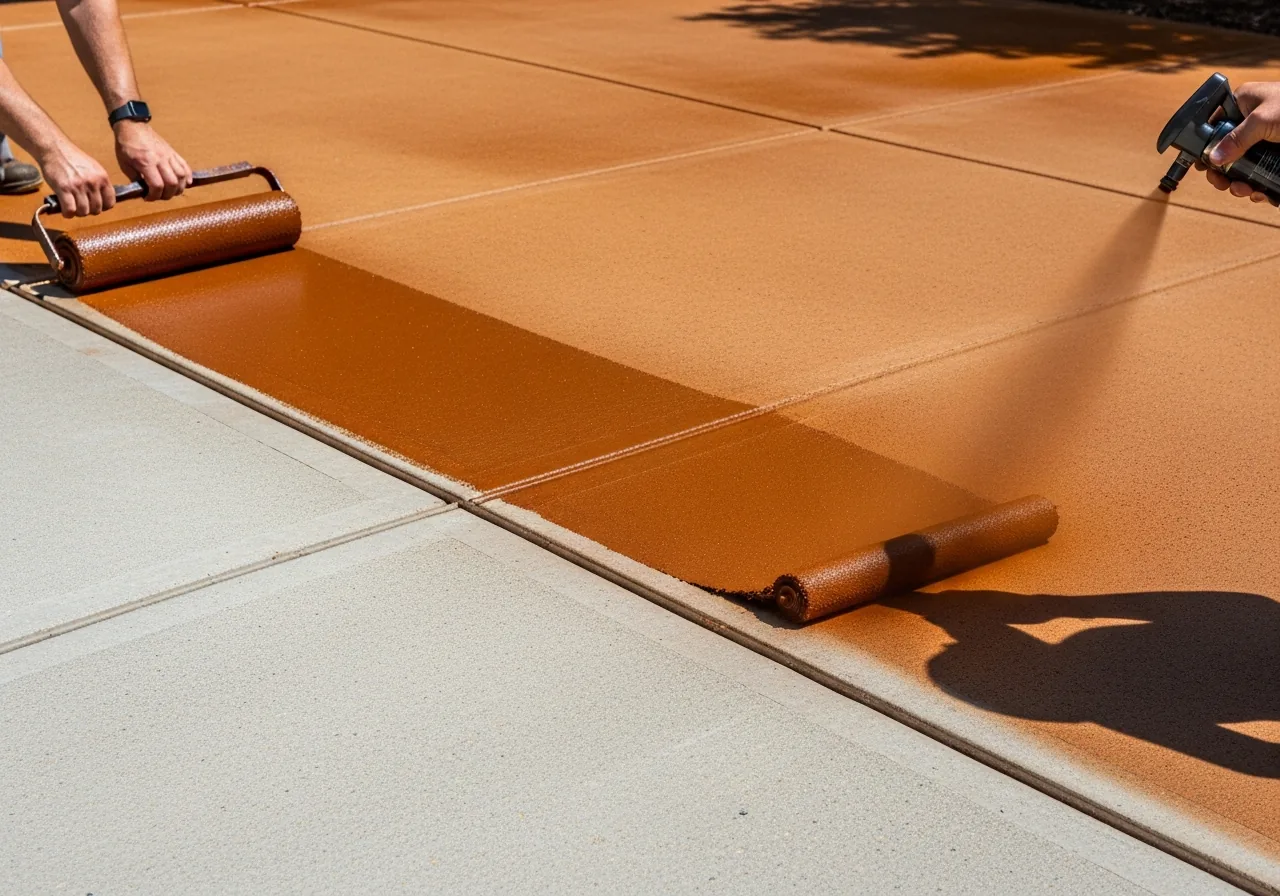
Your driveway tells a story before you even pull into the garage. Faded color. Rough patches. Dark stains from oil or leaves. Rust streaks along the edges where your irrigation overspray hits. These aren't just cosmetic problems. They're signals that your concrete or pavers are losing protection. In Cumming, GA and across Forsyth County, we see these warning signs every week. Most homeowners wait too long to act on them.
Here's what to look for when you step outside and really examine your driveway surface.
The Color Has Faded or Gone Patchy
Sun exposure in Forsyth County is intense from late spring through early fall, and Georgia summer heat pushes surface temperatures well past what the air reads. UV rays break down the pigment in any existing stain or sealer, and a driveway that once had a rich, even tone starts looking washed out. Light patches, streaks, maybe a chalky film across the surface. See those? The protective layer has worn thin. That's a clear sign your driveway needs fresh staining before the concrete itself starts absorbing damage.
Patchy color is especially common on driveways facing south or west. Those surfaces catch direct afternoon sun for hours every day. If your driveway looks two-toned (darker near the garage, lighter at the street), UV fade is almost certainly what's going on. We see it constantly in Windermere and Vickery, where wide south-facing driveways take full afternoon sun. Sound familiar? It's fixable.
Water No Longer Beads on the Surface
This is one of the fastest tests you can do. Pour a small cup of water onto your driveway. Does it bead up and roll off? The sealer's still working. Soaks in within a few seconds? The sealer's gone.
An unsealed concrete surface absorbs moisture, and Cumming gets roughly 56 inches of rain a year to supply it. North Georgia winters bring mild but real freeze-thaw cycles, and water sitting inside an unsealed slab expands on those freezing nights while sealed concrete sheds it. Add the seasonal movement of Forsyth County's clay-heavy soil underneath and small cracks widen over time. Once water penetrates the slab, you're not just looking at a staining job anymore. You're potentially looking at crack repair and resurfacing. Catching the problem at the water-absorption stage saves you from a much bigger project later.
Oil Stains, Rust Spots, or Organic Staining Is Visible
Dark oil stains near where you park. Rust rings from metal furniture or a basketball pole. Tannin stains from wet leaves sitting on the surface too long. Georgia red clay wicking a permanent orange tint into the edges, especially in neighborhoods near ongoing new construction where clay runoff crosses the pavement after every storm. All signs the concrete is unprotected. A properly stained and sealed driveway resists these because the pores in the concrete are filled. Once that staining wears away, those pores open up and absorb everything.
There's a rust source most homeowners here don't expect: their own water. Plenty of properties around Cumming run irrigation off wells, and that groundwater is often iron-rich. Every time your sprinklers overspray the pavement, they deposit a little more iron, and over a season you get orange-brown rust streaks along the driveway edges that won't scrub out without the right treatment first.
We see a ton of tannin staining in neighborhoods with mature tree canopies, and pollen is its own seasonal problem. From February through April, pine and hardwood pollen coats every driveway in Forsyth County in a yellow-green film that feeds algae growth on unsealed concrete. Those stains need to be cleaned and treated before any new stain coat goes down. Staining over the top locks the discoloration in permanently.
Surface Texture Feels Rough or Pitted
Run your hand across the surface. A healthy, sealed driveway should feel relatively smooth. Gritty texture, rough spots, small pits and pop-outs visible across the slab? That's the top layer of concrete starting to break apart. It's called spalling, and it happens when moisture gets into the slab and the surface layer deteriorates from the inside out. With the rainfall Cumming gets and clay soil shifting beneath the slab, unsealed driveways here are prime candidates.
Early-stage spalling? Totally treatable. A cleaning, prep, and staining process can stabilize the surface and slow further damage. Advanced spalling, where actual chunks of concrete are missing, requires repair work first. The earlier you address that rough texture, the less prep work the job requires.
It Has Been More Than Three to Five Years Since the Last Treatment
Even if your driveway looks okay to the naked eye, time matters. Most residential driveway stains and sealers need refreshing every three to five years depending on traffic, sun exposure, and climate. In Cumming, GA, the combination of hot summers, roughly 56 inches of rain a year, three months of heavy pollen, and mild winter freeze-thaw cycles puts real stress on any surface coating.
Can't remember the last time your driveway was stained or sealed? That's your answer right there. A routine maintenance cycle keeps the surface protected and the color looking consistent year after year. Not sure where yours stands? Call us at (404) 632-8810 and we can help you figure it out pretty quickly.
How OCB Pressure Washing Prepares and Stains Driveways in Cumming, GA
Years of oil drips, Georgia red clay, tire marks, seasons of rain and heat. Your driveway has probably been through a lot. Before any stain goes down, that surface has to be completely clean and ready to accept it. That's where we start every single job in Cumming and across Forsyth County.
Preparation is what separates a stain that lasts from one that peels or fades within a season. We kick things off with a thorough pressure wash of the entire driveway surface. This removes embedded dirt, algae, mildew, red clay film, and any loose material sitting in the pores of the concrete. Cumming's humid summers and the February through April pine and hardwood pollen season mean driveways collect a lot of organic buildup. All of it has to go before anything else happens. No shortcuts.
After pressure washing, we inspect the surface closely. Cracks. Spalling. Areas where the concrete has settled unevenly, which happens often here because Forsyth County's clay-heavy soil swells and shrinks with the seasons. Hairline cracks get addressed before staining so the finished result looks clean and holds up properly. Skipping this step is one of the biggest reasons DIY stain jobs fail. The stain sinks into damaged areas differently and the color comes out blotchy and uneven.
We also hit any spots with oil or grease staining with a degreaser. Driveways along the South Forsyth corridor see heavy daily traffic, and oil contamination near garage aprons is super common. We treat rust deposits too, including the iron streaks that well-fed irrigation systems leave along driveway edges. A degreaser breaks down those stains at the surface level so the stain can penetrate evenly across the whole slab. Skip that step and those spots show through the finished stain as dark, blotchy patches.
Once the surface is clean, degreased, and dry, we move into staining. Concrete is porous, and the stain needs to penetrate into those pores to bond correctly. We apply it in controlled, even passes, working in sections to maintain a wet edge and avoid lap marks.
Timing matters here. A lot. Georgia summer heat and direct UV exposure speed up cure time dramatically, and a slab in full afternoon sun can flash-dry the stain before it penetrates. We pay close attention to surface temperature and sunlight during application. Both affect how the stain absorbs, and rushing that part shows in the finished result.
For acid-based stains, a chemical reaction occurs between the stain and the minerals in the concrete. This is what creates those natural, variegated color patterns that look rich and organic, not painted on. The reaction time varies based on the age of the concrete and how porous the surface is. Older driveways in established Cumming neighborhoods like Vickery often absorb stain differently than the newer slabs going in near the SR 400 corridor, and we adjust our process based on what the surface tells us.
Water-based stains work differently. They deposit pigment into the surface rather than reacting with it. More consistent color, more predictable results. A strong choice when you want a specific tone to complement your home's exterior. We walk through the options with you before we start so the finished color matches what you had in mind.
After the stain is applied and has fully cured, we apply a sealer to lock everything in. The sealer protects the stain from UV exposure, roughly 56 inches of annual rainfall, and the daily wear that comes from vehicles and foot traffic. North Georgia winters bring mild but real freeze-thaw cycles, and sealed concrete sheds that moisture instead of absorbing it, which is exactly what keeps the color sharp season after season. We're fully licensed and insured, so if anything ever looks off after the job's done, you've got someone to call.
Every step in this process, from cleaning and degreasing to crack prep, staining, and sealing, is done with care and attention to your specific driveway. We've worked on concrete in every condition across Cumming and Forsyth County, and we know how to get results that hold up in this climate.
Frequently Asked Questions
Everything you need to know about our driveway staining service.
A properly stained and sealed driveway in Cumming typically holds up for three to five years before needing a refresh coat. Forsyth County's combination of intense UV summers and wet winters is hard on concrete, but the stain itself bonds into the slab — it doesn't sit on top like paint. Prep work is what drives longevity. Clean, etched, and properly sealed surfaces hold color far longer than rushed jobs.
Yes, and honestly that's one of the most common reasons homeowners in Forsyth County call us. Red clay and oil both penetrate bare concrete and look terrible. We clean and prep the surface first — that step is not optional. Once the stain goes down and cures, it covers existing discoloration and seals the surface so future clay and oil rinse off instead of soaking in. You will notice the difference immediately.
Acid-based stain reacts chemically with minerals already in your concrete, creating rich, natural-looking color variation. Water-based stain gives you more control over the exact shade — great if you want to match your home's trim or stonework. We look at your slab's age and condition first, then recommend which type actually fits your driveway. Newer slabs and specific color matches usually point us toward water-based. Older concrete with character often looks best with acid stain.
If your concrete is structurally sound — no deep cracking, no heaving, no crumbling edges — staining is almost always the right call. We see driveways in neighborhoods like The Polo Fields and Windermere that look rough on the surface but are completely solid underneath. Fading, discoloration, and surface stains are cosmetic problems that staining fixes directly. Replacement is a much bigger project and usually not needed unless the slab itself has failed.
Clear your vehicles off the driveway the morning of the appointment. Move any potted plants, trash cans, or items stored near the edges. We handle all the cleaning, etching, and crack prep ourselves — you do not need to pressure wash beforehand. Just give us clear access to the full surface. Plan to keep vehicles off the driveway for at least 24 to 48 hours after we finish so the stain and sealer can cure completely.
Foot traffic is usually fine within 24 hours. Vehicle traffic needs to wait 48 to 72 hours depending on temperature and humidity the day we apply the stain. Here in Cumming, summer heat actually speeds up curing, but high humidity can slow it down. We will give you a specific window based on the weather conditions on your job day. Driving on it too soon is one of the few things that can actually damage a fresh stain job, so we take that timeline seriously.
Related Services
What's Covered on This Page
Get Started
Get Your Free Driveway Staining Estimate
No obligation. No pressure. Just a fast, honest quote for your property.
(404) 632-8810